
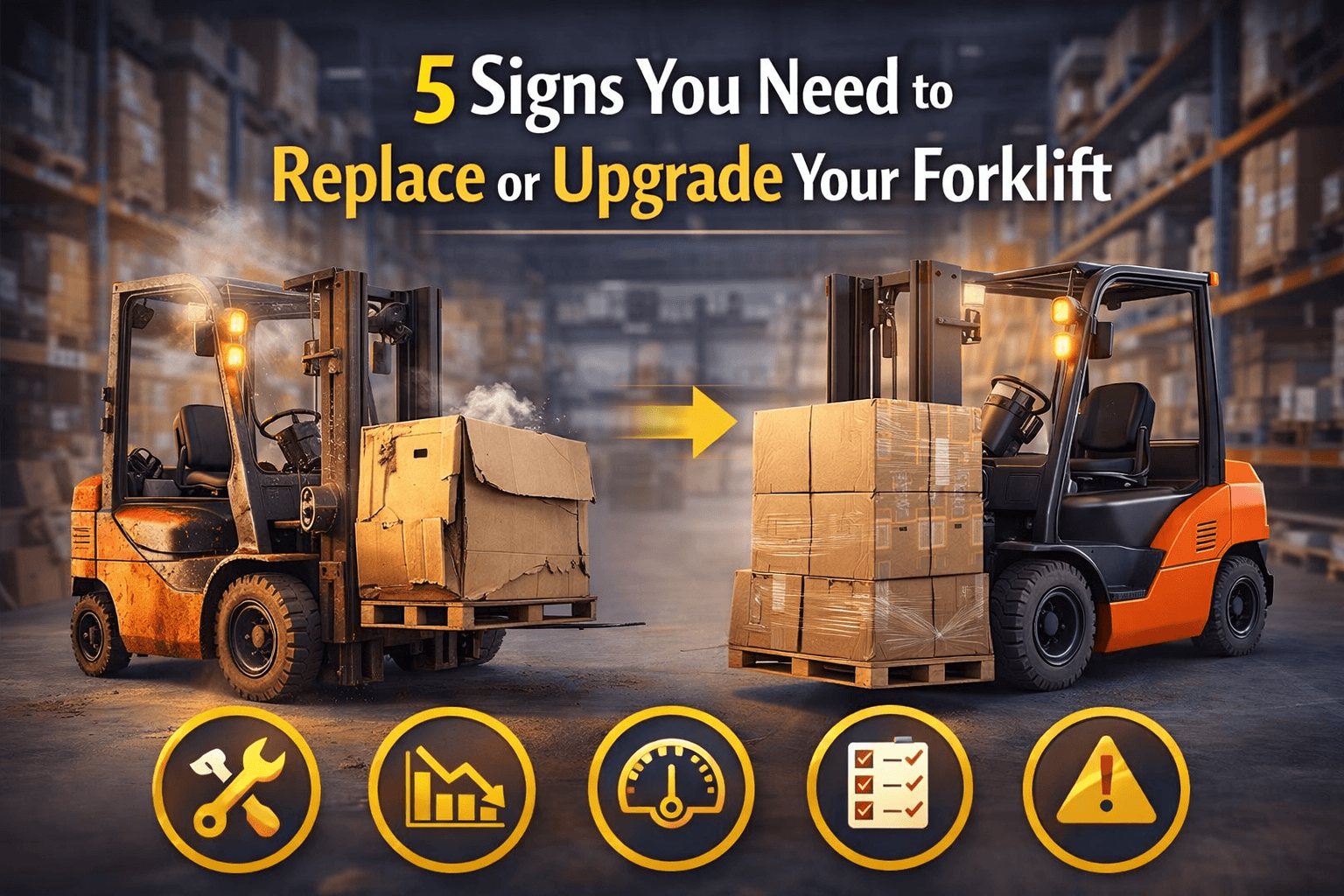
Forklifts are the backbone of material handling operations across warehouses, construction sites, ports, and industrial facilities. Whether you’re managing logistics or heavy lifting tasks, your equipment directly impacts productivity, safety, and operating expenses. Over time, even the most reliable machines begin to show signs of wear, inefficiency, or obsolescence. Recognizing when to replace or upgrade your forklift is critical to maintaining smooth operations and avoiding costly downtime.
In markets like Singapore, where efficiency and safety standards are high, businesses relying on a Singapore forklift solution or exploring forklifts for sale must stay proactive. Below are five clear signs that indicate it’s time to consider upgrading your forklift fleet.
1. Frequent Breakdowns and Rising Maintenance Costs
One of the earliest warning signs is a noticeable increase in repair frequency. If your forklift requires constant servicing, replacement parts, or emergency repairs, it may be costing you more than it’s worth. Older machines tend to develop recurring issues such as hydraulic leaks, engine problems, or worn-out components. These increase maintenance expenses and disrupt workflow.
Downtime caused by breakdowns can lead to delays, missed deadlines, and unhappy clients. Instead of pouring money into repairs, investing in a newer forklift truck for sale option can offer better reliability and long-term cost savings. Modern forklifts are designed with improved durability, advanced diagnostics, and lower maintenance requirements.
2. Declining Performance and Efficiency
A forklift that struggles to perform basic tasks is a clear sign that it’s time for an upgrade. If your equipment is slower, less responsive, or unable to lift loads efficiently, it directly affects productivity. Older forklifts often lack modern technology, such as energy-efficient motors, ergonomic controls, and advanced safety features.
This is especially noticeable when compared to newer electric forklift models for sale, which offer smoother operation, lower emissions, and quieter performance. In a competitive environment like forklift operations in Singapore, efficiency matters. Upgrading ensures your team can handle workloads faster and with greater precision, ultimately improving overall output.
3. Safety Concerns and Compliance Issues
Safety should always be a top priority in any workplace. Aging forklifts may not meet current safety standards or regulations, putting operators and nearby workers at risk.
Common safety issues include:
- Worn-out brakes or steering systems
- Faulty warning signals or lights
- Lack of modern safety features like stability control or sensors
Regulatory requirements in many regions are becoming stricter, and non-compliance can result in penalties or operational shutdowns. Upgrading to newer forklifts ensures compliance with safety standards and provides advanced features that reduce the risk of accidents.
For example, modern forklifts come equipped with better visibility, automated alerts, and enhanced load stability features that significantly improve workplace safety.
4. Outdated Technology and Limited Capabilities
Technology in material handling equipment has evolved significantly over the years. If your forklift lacks modern capabilities, it could be holding your operations back.
Newer forklifts offer the following:
- Telematics systems for tracking performance
- Battery efficiency improvements
- Automation and smart controls
- Better maneuverability in tight spaces
If your business is expanding or handling more complex tasks, older forklifts may no longer meet your needs. For instance, specialized equipment, like a combilift forklift for sale, can handle multidirectional loads and improve space utilization in warehouses. Upgrading allows you to take advantage of these innovations, improving both efficiency and adaptability.
5. Increased Fuel or Energy Consumption
Operational costs are a major concern for any business. If your forklift is consuming excessive fuel or energy, it may be time to switch to a more efficient model.
Older internal combustion forklifts tend to be less fuel-efficient and produce higher emissions. In contrast, electric forklifts are gaining popularity due to their:
- Lower running costs
- Reduced environmental impact
- Minimal noise levels
- Longer operational lifespan
Switching to an electric forklift for sale can significantly reduce operating expenses over time, especially for indoor or warehouse applications. Businesses aiming for sustainability and cost efficiency are increasingly making this transition.
Why Upgrading Your Forklift Makes Business Sense
Replacing or upgrading your forklift isn’t just about avoiding problems, it’s about unlocking new opportunities for growth and efficiency. A modern forklift can
- Increase productivity with faster operation
- Reduce downtime and maintenance costs
- Enhance workplace safety
- Improve energy efficiency
- Support business scalability
For companies working with trusted providers like Paves Asia Pacific, upgrading equipment ensures access to reliable and high-performance solutions tailored to industry needs.
Choosing the Right Forklift for Your Needs
When considering an upgrade, it’s important to evaluate your specific requirements. Not all forklifts are the same, and choosing the right one can make a significant difference.
Key factors to consider:
- Load capacity and lifting height
- Indoor vs outdoor usage
- Fuel type (diesel, electric, LPG)
- Warehouse layout and space constraints
- Frequency of use
Exploring options such as forklifts for sale in your region allows you to compare models and select the best fit for your operations.
Long-Term Benefits of Modern Forklifts
Investing in a new forklift offers more than just immediate improvements. Over time, businesses benefit from:
- Lower total cost of ownership
- Improved employee satisfaction due to easier operation
- Better compliance with environmental regulations
- Enhanced brand reputation through efficient operations
In fast-paced logistics environments, staying updated with modern equipment is not optional it’s essential for staying competitive.
Conclusion
Recognizing the signs of an aging forklift can save your business from unnecessary costs, safety risks, and operational inefficiencies. Frequent breakdowns, declining performance, safety concerns, outdated technology, and high energy consumption are all indicators that it’s time to upgrade. By investing in modern solutions, businesses can improve productivity, reduce expenses, and ensure a safer working environment.
Whether you’re exploring a Singapore forklift solution or browsing for advanced equipment, upgrading at the right time can make a significant difference. Working with experienced providers like Paves Asia Pacific ensures you get access to high-quality forklifts that meet your operational needs and future growth plans
Frequently Asked Questions (FAQs)
Q1. How do I know if my forklift needs replacement instead of repair?
A1. If your forklift frequently breaks down, requires costly repairs, and causes operational delays, replacement is usually the better long-term decision. When repair costs start approaching the value of a newer machine, upgrading becomes more cost-effective.
Q2. What is the average lifespan of a forklift?
A2. Most forklifts last between 10,000 and 15,000 operating hours, depending on usage, maintenance, and working conditions. Heavy-duty or multi-shift operations may shorten this lifespan, making earlier replacement necessary.
Q3. Are electric forklifts better than diesel or LPG forklifts?
A3. Electric forklifts are ideal for indoor use due to zero emissions, quieter operation, and lower maintenance costs. However, diesel or LPG forklifts may still be better for heavy outdoor applications. The right choice depends on your specific operational needs.
Q4. What are the benefits of upgrading to a modern forklift?
A4. Upgrading provides improved safety features, better fuel or energy efficiency, enhanced productivity, reduced maintenance costs, and access to advanced technology like telematics and automation.
Q5. How can a new forklift improve workplace safety?
A5. Modern forklifts come with features like stability control, better visibility, warning systems, and ergonomic controls. These reduce the risk of accidents and ensure compliance with updated safety regulations.
Q6. When is the right time to upgrade my forklift fleet?
A6. The right time is when you notice declining performance, increasing downtime, higher operating costs, or when your equipment no longer meets your operational demands or safety standards.
Q7. Should I buy new or used forklifts?
A7. Buying new forklifts offers the latest technology, warranty coverage, and reliability. Used forklifts can be cost-effective but may come with higher maintenance risks. The decision depends on your budget and long-term usage plans.
Q8. How do I choose the right forklift for my business?
A8. Consider factors such as load capacity, lift height, working environment (indoor or outdoor), fuel type, and frequency of use. Evaluating these factors helps ensure you select equipment that matches your operational requirements.