
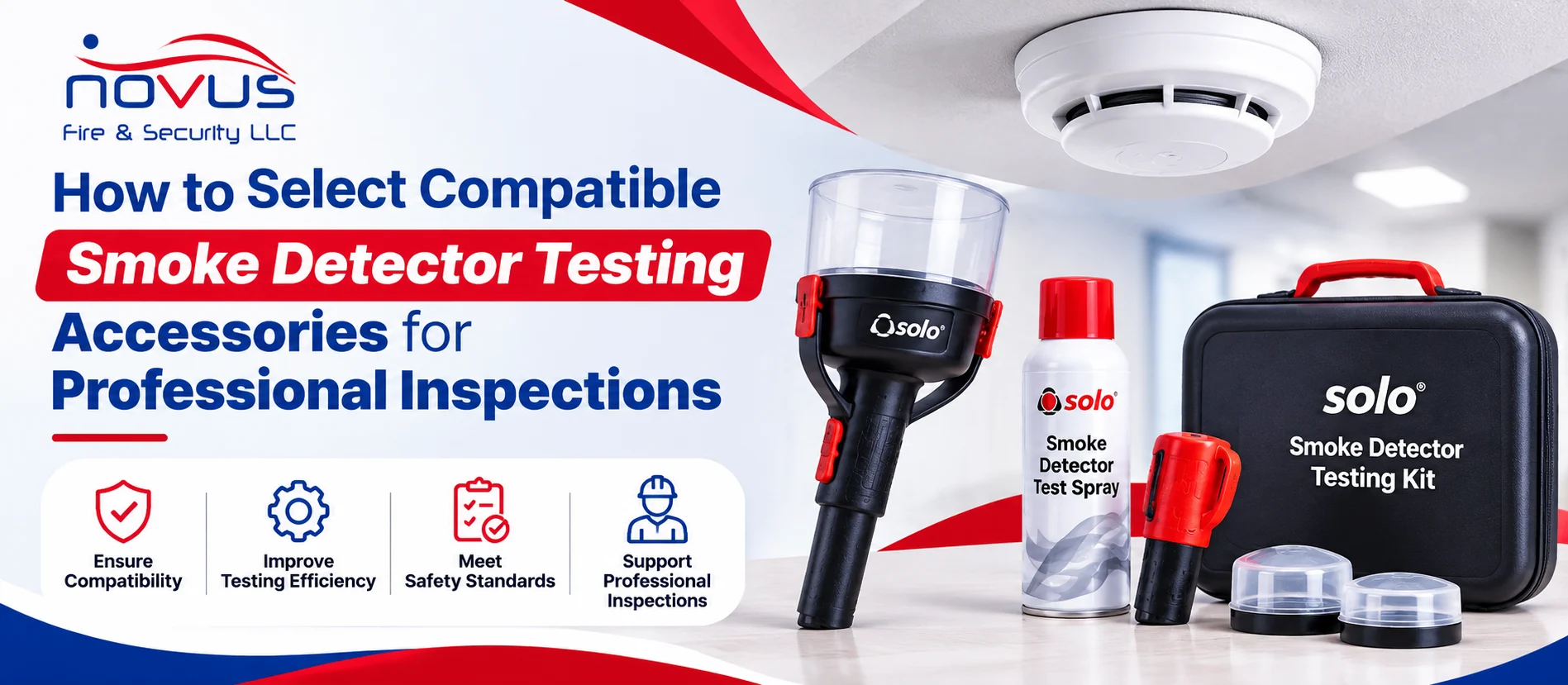
Regular smoke detector inspections are essential for checking whether fire detection devices respond correctly under appropriate test conditions. For fire safety contractors, facility managers, and maintenance professionals, selecting the right testing accessories is just as important as following the correct inspection procedure.
Different smoke detectors may require different testing methods, depending on their technology, design, manufacturer instructions, and installation environment. Using incompatible accessories can lead to unreliable test results, unnecessary maintenance delays, or potential damage to equipment.
Professional inspectors should therefore understand how detector test cups, extension poles, smoke test aerosols, and other components work together before purchasing or using a testing system. A compatible Solo Smoke Detectors Tester and the appropriate accessories can help make routine inspections more organised and efficient.
This guide explains how to select suitable smoke detector testing accessories, what to check before purchasing, and how to build a practical testing kit for professional fire safety inspections.
How Do You Select Compatible Smoke Detector Testing Accessories?
To select compatible smoke detector testing accessories, first identify the detector type and model, check its manufacturer’s testing instructions, and verify that every accessory is approved for the intended testing method.
Consider these important factors:
- Detector compatibility: Confirm that the accessory is suitable for the installed detector type and model.
- Testing method: Choose accessories designed for functional smoke testing or other manufacturer-specified procedures.
- Test aerosol suitability: Check that the smoke test product is approved for the detector being tested.
- Physical fit: Verify that test cups, poles, and adapters fit the equipment correctly.
- Inspection environment: Consider ceiling height, accessibility, and working conditions.
- Equipment quality: Choose reliable products intended for professional inspection work.
- Manufacturer guidance: Follow instructions for application, handling, cleaning, and storage.
Compatibility and correct use matter more than simply purchasing the largest testing kit.
Why Compatibility Matters in Professional Smoke Detector Inspections
Smoke detectors are available in different designs and technologies, including optical, photoelectric, and other detection types. Their testing requirements can vary depending on the device and manufacturer.
A testing accessory that works with one detector may not necessarily be appropriate for another. For example, a test cup may have a different diameter or fitting arrangement, while a test aerosol may have specific application requirements.
Using suitable accessories helps inspectors:
- Follow the detector manufacturer’s recommended test procedure.
- Apply the correct testing material.
- Reduce the risk of accidental equipment damage.
- Reach detectors installed at different heights.
- Maintain consistent inspection procedures.
- Document testing activities more effectively.
Before beginning an inspection, always check the detector documentation and applicable fire safety procedures. Do not assume that an accessory is compatible simply because it fits physically.
7 Factors to Consider When Selecting Smoke Detector Testing Accessories
1. Identify the Smoke Detector Technology and Model
Start by identifying the detectors installed at the site. Check their manufacturer, model number, detection technology, and testing instructions.
Different detectors may have different functional testing requirements. Optical smoke detectors, for example, need an appropriate test method that checks their response to smoke or an approved test stimulus. Other detector types may require different procedures.
Create an equipment compatibility list before purchasing accessories for a large inspection project. This helps prevent ordering products that cannot be used with the installed devices.
A professional Solo Smoke Detector Testing Kit should be selected according to the detectors it is intended to test, rather than assuming that one configuration suits every installation.
2. Choose the Correct Smoke Test Spray
Smoke test aerosols are commonly used to check the functional response of compatible smoke detectors. However, not every aerosol is suitable for every detector or testing situation.
When selecting a Solo Smoke Detector Test Spray, review the product instructions and confirm that it is intended for the detector type being inspected.
Check the following before use:
- Compatibility with the detector manufacturer’s instructions.
- Recommended application method and duration.
- Product handling and storage requirements.
- Expiry date and container condition.
- Any precautions relating to the testing environment.
Avoid using ordinary sprays or unapproved substances as substitutes for detector test products. Incorrect materials or excessive application may cause contamination, unwanted alarms, or unreliable results.
3. Check Test Cup and Adapter Compatibility
A test cup helps contain the testing stimulus around the detector during an appropriate functional test. However, its dimensions and connection system must match the testing equipment and detector arrangement.
Check whether the test cup is designed for the detector’s size and shape. Also confirm that the required adapter or fitting is included and compatible with the pole or testing tool.
A secure fit helps reduce unnecessary movement during inspection and supports a more controlled testing process.
When inspecting detectors from multiple manufacturers, maintain a compatibility record showing which test cups and adapters are approved for each detector model.
4. Select Suitable Extension Poles and Access Tools
Smoke detectors are often installed on high ceilings, corridors, warehouses, commercial buildings, and industrial premises. Inspectors may need extension poles to reach devices without repeatedly using ladders.
When choosing a pole, consider:
- Maximum working reach.
- Compatibility with the test head and accessories.
- Weight and ease of handling.
- Locking mechanism and stability.
- Storage and transportation requirements.
- Site-specific access and safety procedures.
A suitable extension pole can make inspections more convenient, but it does not remove the need for safe access planning. Inspectors must follow workplace safety procedures and use approved access equipment whenever required.
5. Build a Complete Set of Professional Testing Tools
A complete set of Professional Smoke Detector Testing Tools should include the equipment required for the detectors and inspection methods used at the site.
Depending on the testing system, this may include:
- Compatible detector test cups.
- Approved smoke test aerosol.
- Extension poles.
- Adapters and connection components.
- Protective carrying cases.
- Cleaning and maintenance supplies approved by the manufacturer.
- Inspection records and documentation.
Not every inspection requires every accessory. Select components according to the equipment installed and the manufacturer’s procedures.
Novus Fire and Security LLC supports fire safety professionals in identifying suitable testing equipment and accessories for different inspection requirements.
6. Evaluate Aerosol Quality and Application Requirements
An Aerosol Smoke Detector Tester should be selected based on its intended use, product instructions, and compatibility with the detectors being tested.
Check the aerosol’s application requirements and confirm that it is designed for professional detector testing. The correct application method is important because excessive or unsuitable material may affect detector performance or create avoidable maintenance work.
Inspectors should also consider storage conditions, container safety, transport requirements, and disposal instructions. Follow the product safety information and applicable workplace regulations.
Never assume that different aerosol products are interchangeable. Confirm compatibility before using a substitute product.
7. Consider Maintenance, Storage, and Replacement Needs
Testing accessories need proper care to remain suitable for professional use. Damaged fittings, worn connections, expired aerosols, and poorly stored components can affect inspection readiness.
Before each inspection, check the condition of the equipment. After use, clean and store accessories according to manufacturer instructions.
A basic equipment maintenance checklist should include:
- Checking test cups for cracks or damage.
- Inspecting pole connections and locking mechanisms.
- Checking adapters for wear.
- Reviewing aerosol expiry dates and container condition.
- Confirming that all kit components are present.
- Storing equipment in suitable conditions.
Replace damaged or expired items rather than continuing to use them.
How to Choose the Right Smoke Detector Testing Kit for Your Inspection Requirements
The right kit depends on the type and number of detectors, the building layout, ceiling heights, inspection frequency, and testing procedures.
For a small commercial property, a basic compatible testing arrangement may be sufficient. A large industrial facility with multiple detector models may require additional test cups, adapters, and extension equipment.
Before purchasing, prepare a list of detector models and compare it with the accessory manufacturer’s compatibility information. Ask the supplier to confirm whether the complete configuration is suitable for your intended inspection tasks.
A well-selected kit should support the required testing procedures without including unnecessary accessories.
Common Mistakes to Avoid When Purchasing Smoke Detector Testing Accessories
Professional buyers should avoid these common mistakes:
- Purchasing accessories based only on appearance or physical fit.
- Using unapproved aerosol products.
- Ignoring detector manufacturer instructions.
- Overlooking adapter and pole compatibility.
- Buying a kit without checking its included components.
- Failing to inspect equipment before use.
- Choosing products without considering maintenance and replacement needs.
Comparing product specifications and compatibility information before purchasing can help reduce avoidable equipment problems.
Conclusion
Selecting compatible smoke detector testing accessories is an important part of professional fire safety inspections. Inspectors should consider detector technology, manufacturer instructions, test aerosol suitability, test cup compatibility, extension pole requirements, and equipment maintenance before purchasing a testing kit.
A carefully selected set of Smoke Detector Testing Accessories can help professionals follow appropriate testing procedures and manage inspections more efficiently. Novus Fire and Security LLC recommends verifying product compatibility and selecting equipment based on actual site requirements rather than choosing accessories solely by price or appearance.
Frequently Asked Questions
Q1. What accessories are needed for professional smoke detector testing?
Depending on the detector and testing system, accessories may include a compatible test cup, approved smoke test aerosol, extension pole, adapters, and suitable carrying or storage equipment.
Q2. How do I know whether a Solo Smoke Detector Tester is compatible with my detector?
Check the detector manufacturer, model, testing instructions, and the tester manufacturer’s compatibility information. Confirm that the required test cup, adapter, and testing material are suitable for the specific detector.
Q3. Can I use any smoke detector test spray with my testing equipment?
No. Use only a test product approved or recommended for the detector and testing method. Follow the product instructions and detector manufacturer’s guidance.
Q4. Why are extension poles important for smoke detector inspections?
Extension poles can help inspectors reach detectors installed on high ceilings and in difficult-to-access areas. The pole and its attachments must be compatible, and all applicable access safety procedures must be followed.
Q5. How often should smoke detector testing accessories be inspected?
Check accessories before use and maintain them according to manufacturer instructions. Review connections, test cups, poles, aerosol expiry dates, and the condition of all kit components regularly.