
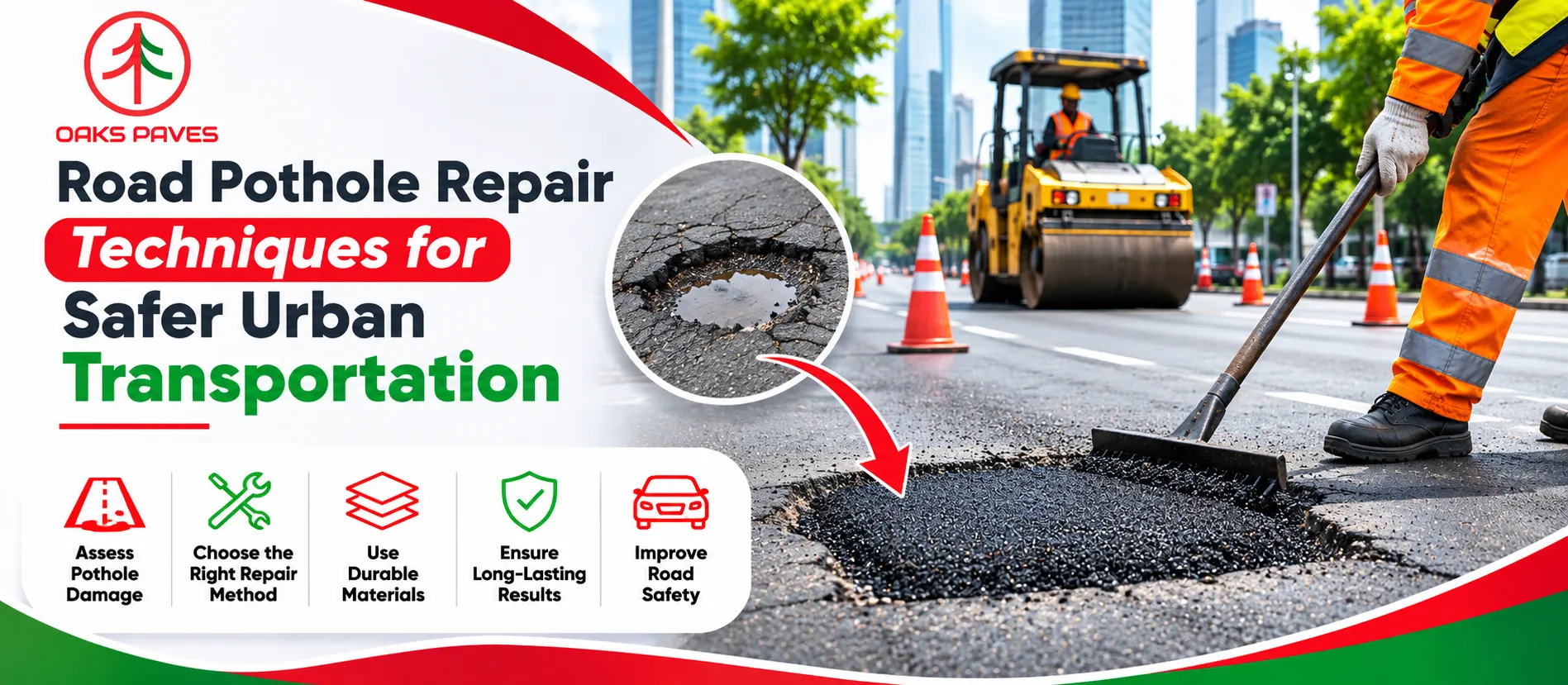
Potholes are a common road maintenance challenge that can affect vehicle safety, traffic flow, and the overall condition of urban infrastructure. In Singapore, frequent rainfall, heavy traffic, and continuous vehicle movement can contribute to road surface deterioration. If cracks and damaged pavement are not addressed promptly, they may develop into potholes that create risks for motorists, cyclists, and other road users.
Effective Road Pothole Repair in Singapore requires more than simply filling visible holes. It involves identifying the cause of pavement damage, selecting suitable repair materials, preparing the affected area, and applying the right repair technique. Regular inspections and preventive maintenance also help reduce recurring damage and extend road lifespan.
What Are the Most Effective Road Pothole Repair Techniques?
The most effective road pothole repair techniques depend on the pothole’s size, depth, location, and the surrounding pavement condition.
Common approaches include:
- Throw-and-roll patching: A quick method for temporary repairs using asphalt mix.
- Semi-permanent patching: Involves removing loose material, preparing the pothole, and compacting the repair mix.
- Full-depth patching: Suitable for deeper potholes where the damaged pavement layers need to be removed and rebuilt.
- Spray injection repair: Uses specialised equipment to clean and fill potholes with aggregate and binder.
- Infrared asphalt repair: Heats existing asphalt so it can be reworked and blended with new material.
- Preventive maintenance: Sealing cracks and maintaining drainage to reduce future pothole formation.
Choosing the appropriate method helps improve road safety, restore surface quality, and minimise repeat repairs.
Understanding Why Potholes Develop on Singapore Roads
A pothole forms when water enters cracks or weak areas in the road surface and gradually damages the pavement structure. Vehicle loads place additional stress on the weakened material, eventually causing pieces of asphalt to loosen and break away.
Several factors can contribute to pothole formation in Singapore’s road conditions:
- Heavy rainfall: Water can penetrate pavement cracks and weaken the underlying layers.
- High traffic volume: Repeated vehicle loading increases pavement stress, particularly on busy roads.
- Poor drainage: Standing water can accelerate pavement deterioration.
- Ageing road surfaces: Older asphalt may lose flexibility and become more vulnerable to cracking.
- Poor-quality previous repairs: Inadequate preparation or compaction can cause patches to fail prematurely.
- Temperature and moisture changes: Environmental exposure can contribute to gradual surface deterioration.
Understanding these causes helps maintenance teams select appropriate repair methods instead of repeatedly treating only the visible damage.
1. Throw-and-Roll Patching for Quick Repairs
Throw-and-roll patching is a relatively simple method used when a pothole needs a quick temporary repair. The process involves placing asphalt patching material into the damaged area and compacting it with vehicle tyres or suitable compaction equipment.
This technique can be useful when:
- A pothole requires immediate attention.
- Traffic conditions make extensive repairs difficult.
- A temporary solution is needed before permanent work.
- The damaged area is relatively small and manageable.
However, this method may not provide the same durability as more comprehensive repairs. The pothole should still be assessed to determine whether a permanent solution is required.
2. Semi-Permanent Pothole Repair
Semi-permanent patching is a more thorough approach to potholes in road repair. It focuses on preparing the damaged area before placing and compacting the repair material.
The typical process includes:
- Marking the damaged pavement area.
- Removing loose asphalt and debris.
- Cutting or shaping the pothole edges where appropriate.
- Preparing the base and applying a suitable tack coat if required.
- Filling the area with an appropriate asphalt mix.
- Compacting the material to create a stable, level surface.
Proper preparation helps the repair material bond with the existing pavement. This method is often more reliable than simply filling a pothole without removing loose material.
3. Full-Depth Patching for Severe Road Damage
Some potholes extend beyond the surface asphalt and affect the underlying pavement layers. In these cases, surface-level patching may not solve the underlying problem.
Full-depth patching involves removing the damaged pavement to a stable layer, repairing the affected base if necessary, and rebuilding the road surface.
The process generally includes:
- Identifying the full extent of the damaged area.
- Saw-cutting the pavement to create defined repair boundaries.
- Removing deteriorated asphalt and unstable base material.
- Replacing or stabilising the base where required.
- Applying new asphalt in suitable layers.
- Compacting each layer to achieve the required density.
This approach is particularly useful for deep potholes, repeated patch failures, and areas with significant structural damage.
4. Spray Injection Pothole Repair
Spray injection is a specialised repair method that uses equipment to clean the pothole and apply a combination of binder and aggregate. The repair material is placed into the damaged area and finished with additional aggregate where required.
Its potential benefits include:
- Faster application compared with some conventional methods.
- Reduced need for extensive excavation in suitable conditions.
- Efficient treatment of multiple surface defects.
- Less disruption when work is properly planned.
The technique is not suitable for every pothole. The pavement condition, moisture, pothole depth, and equipment specifications should be assessed before selecting this method.
5. Infrared Asphalt Repair
Infrared asphalt repair uses controlled heat to soften existing asphalt around a damaged area. The softened material can then be blended with additional asphalt mix, reshaped, and compacted.
This technique can be useful for certain surface-level defects and localised repairs. It may help create a more integrated repair by blending the existing pavement with the new material.
However, infrared treatment is not a replacement for structural reconstruction when the underlying pavement has failed. Proper temperature control, material selection, and compaction are essential for a satisfactory result.
6. Selecting the Right Road Repair Equipment
The quality of pothole repairs depends not only on the repair method but also on using suitable machinery and tools. Professional Road Pothole RepairTechniques require equipment that matches the size and condition of the damaged area.
Common equipment includes:
- Asphalt cutters: Create clean and defined repair boundaries.
- Pothole cleaning equipment: Remove loose debris and unsuitable material.
- Asphalt mixing equipment: Prepare consistent repair materials where required.
- Asphalt pavers: Help place asphalt evenly on larger repair areas.
- Plate compactors and rollers: Compact the material to improve stability.
- Spray injection machines: Apply binder and aggregate for specialised repairs.
- Road maintenance vehicles: Transport materials, tools, and equipment to work sites.
Equipment selection should consider repair volume, road access, traffic conditions, material requirements, and project specifications.
7. Preventive Maintenance to Reduce Singapore Road Potholes
Repairing existing potholes is important, but preventing new ones can reduce long-term maintenance costs and improve road reliability.
A practical preventive maintenance programme should include:
- Routine road inspections: Identify cracks, depressions, and surface defects before they become serious.
- Crack sealing: Prevent water from entering vulnerable pavement areas.
- Drainage maintenance: Keep drains and water outlets clear to reduce standing water.
- Surface treatments: Apply suitable treatments to protect pavement in appropriate conditions.
- Timely repairs: Address minor defects before they develop into larger potholes.
- Repair monitoring: Inspect completed patches to identify early signs of failure.
In Singapore’s wet climate, drainage and moisture management are especially important considerations for road maintenance planning.
8. Road Safety and Traffic Management During Pothole Repairs
Repair work must be planned carefully to protect road users and maintenance crews. Poorly managed work zones can create additional hazards, particularly on busy urban roads.
Before starting work, maintenance teams should assess traffic volume, road layout, visibility, pedestrian movement, and access requirements.
Important safety measures include:
- Installing appropriate warning signs and traffic cones.
- Using barriers to separate work areas from moving traffic.
- Providing safe pedestrian and cyclist routes where necessary.
- Scheduling work to minimise disruption where practical.
- Ensuring workers use suitable personal protective equipment.
- Following applicable traffic management and workplace safety requirements.
- Inspecting the repaired surface before reopening the affected area.
Working with experienced road maintenance specialists, such as Oaks Paves Pte Ltd, can help project teams plan suitable repair approaches and equipment requirements for different pavement conditions.
How to Choose the Best Pothole Repair Method
There is no single repair technique that works for every pothole. The right approach depends on the condition of the road and the expected performance of the repair.
| Road condition | Suitable repair approach |
|---|---|
| Small, shallow pothole | Suitable patching method |
| Loose material and moderate damage | Semi-permanent patching |
| Deep or structurally damaged pavement | Full-depth patching |
| Multiple suitable surface defects | Spray injection repair |
| Localised surface deterioration | Infrared asphalt repair, where appropriate |
A proper site assessment should determine whether the damage is limited to the surface or extends into the pavement structure.
Conclusion
Pothole repair is an essential part of maintaining safer and more reliable urban transportation. From quick patching and semi-permanent repairs to full-depth reconstruction and specialised repair methods, each technique has a role depending on the severity of pavement damage.
For effective Pothole Repair in Singapore, maintenance teams should focus on accurate inspections, appropriate materials, suitable equipment, proper compaction, and preventive maintenance. Addressing drainage problems and repairing minor defects early can also help reduce recurring potholes and extend pavement service life.
With the right planning, repair methods, and equipment, road maintenance projects can improve surface conditions, support safer journeys, and minimise unnecessary traffic disruption.