
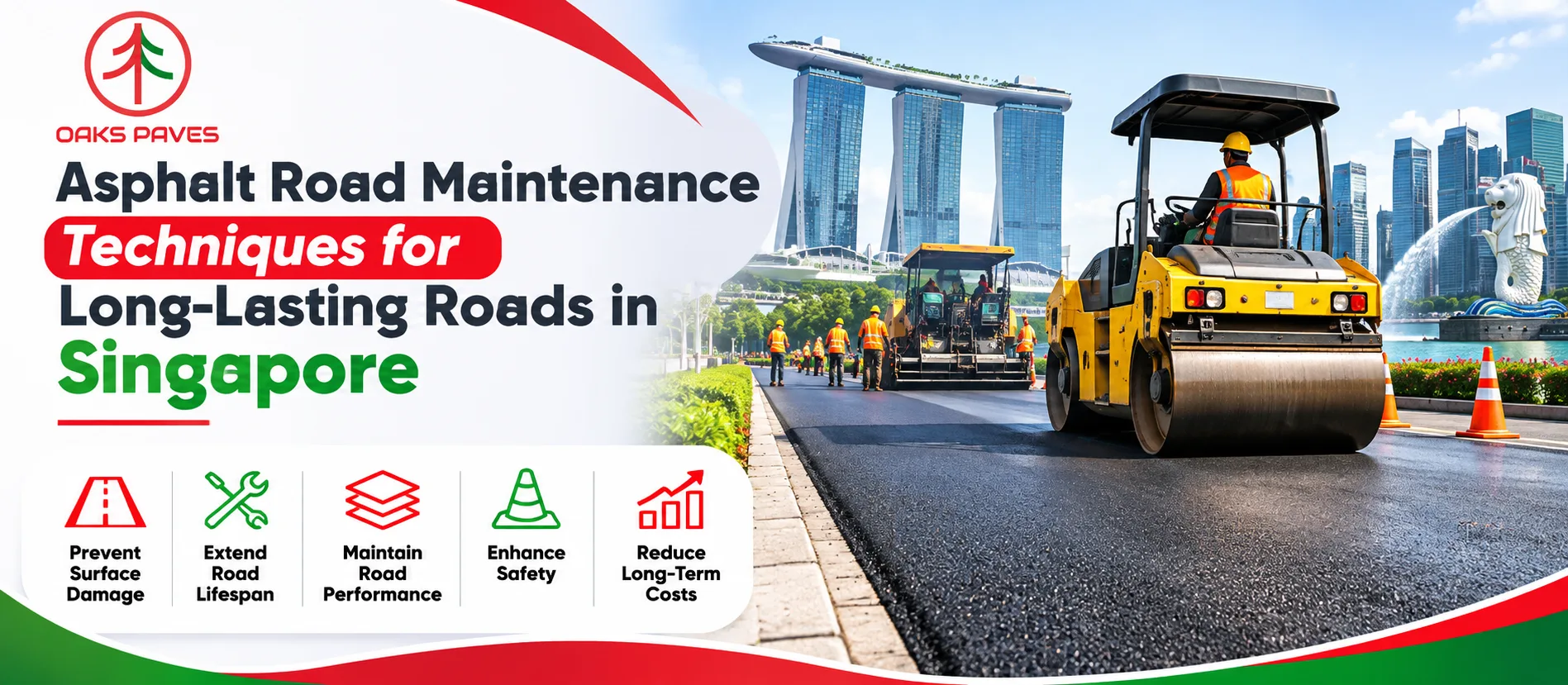
Roads are essential to Singapore’s transport network, supporting daily commuting, commercial deliveries, industrial operations, and public transportation. However, continuous traffic, heavy vehicles, rainfall, high humidity, and changing pavement conditions can gradually affect asphalt surfaces. Without proper maintenance, small cracks and surface defects may develop into larger problems that require more extensive repairs.
Effective Asphalt Road Maintenance in Singapore involves regular pavement inspections, timely repairs, proper drainage, and the use of suitable road maintenance equipment. These activities help maintain road surface quality, improve driving conditions, and extend the service life of asphalt pavements.
For road contractors, infrastructure authorities, and maintenance teams, understanding different asphalt maintenance techniques is important for planning cost-effective repair programmes. Choosing the right materials, machinery, and repair methods can also help minimise disruption to road users while maintaining consistent work quality.
What Are the Best Asphalt Road Maintenance Techniques?
The best asphalt road maintenance techniques depend on pavement condition, traffic levels, defect severity, and environmental factors. Common methods include:
- Crack sealing: Prevents water and debris from entering suitable pavement cracks.
- Pothole patching: Repairs localised pavement failures and damaged areas.
- Surface treatment: Protects suitable pavement surfaces and improves their condition.
- Asphalt resurfacing: Adds a new asphalt layer when the existing surface requires renewal.
- Drainage maintenance: Reduces water accumulation and moisture-related pavement damage.
- Routine inspections: Identifies early signs of deterioration before they become more serious.
Regular inspections and timely maintenance help Singapore road operators manage pavement deterioration and reduce the need for premature reconstruction.
Why Asphalt Road Maintenance Is Important in Singapore
Singapore’s tropical climate creates specific challenges for asphalt pavement maintenance. Frequent rainfall, high humidity, warm temperatures, and heavy traffic can contribute to surface deterioration over time.
Water entering pavement cracks may weaken supporting layers, while repeated vehicle loading can increase stress on already damaged areas. Poor drainage can also allow water to accumulate, contributing to pavement distress.
Road maintenance is important because it helps:
- Maintain a smoother and more consistent road surface.
- Reduce the development of potholes and cracks.
- Protect pavement layers from moisture intrusion.
- Improve driving comfort and road usability.
- Extend the useful life of suitable asphalt pavements.
- Reduce the likelihood of extensive repair work.
- Support safer and more reliable transport infrastructure.
A planned maintenance programme allows contractors to identify problems early and select appropriate repair methods instead of waiting until pavement damage becomes extensive.
7 Effective Asphalt Road Maintenance Techniques for Long-Lasting Roads
1. Regular Pavement Inspection and Condition Assessment
The first step in effective asphalt maintenance is understanding the current condition of the road. Regular inspections help identify defects, monitor deterioration, and determine which areas need attention.
Maintenance teams should look for:
- Surface cracks and edge cracking.
- Potholes and localised pavement failures.
- Rutting in vehicle wheel paths.
- Surface deformation and uneven sections.
- Water accumulation and drainage problems.
- Loose aggregate and surface deterioration.
The inspection process should consider traffic volume, road usage, pavement age, and the severity of defects. Contractors can document findings using photographs, location records, and condition assessment reports.
This information helps maintenance teams prioritise repairs and select suitable methods based on the actual condition of the pavement.
2. Crack Sealing to Prevent Water Infiltration
Cracks are among the common early signs of asphalt pavement deterioration. If left untreated, they may allow water and debris to enter the pavement structure.
Crack sealing involves cleaning suitable cracks and applying an appropriate sealant according to the pavement condition and product instructions. This helps reduce water infiltration and may slow further deterioration.
However, not every crack can be treated using the same method. The repair approach depends on crack width, movement, depth, and surrounding pavement condition.
For professional Road Maintenance in Singapore, crack sealing should form part of a wider pavement inspection and maintenance programme rather than being treated as a complete solution for every damaged road.
3. Pothole Patching and Surface Repairs
Potholes can develop when pavement materials deteriorate under traffic loading, moisture exposure, and repeated environmental stress. They can affect driving comfort and may become larger if repairs are delayed.
Pothole repair generally involves removing unsuitable material, preparing the repair area, applying the appropriate asphalt mix, and compacting it correctly.
The repair method depends on factors such as pothole depth, size, weather conditions, and traffic requirements.
A suitable repair process should include:
- Identifying and marking the damaged area.
- Removing loose and unsuitable pavement material.
- Preparing the repair surface.
- Applying the specified repair material.
- Compacting the material properly.
- Checking the repaired surface before reopening it to traffic.
Using suitable Road Repair Equipment Singapore contractors can improve the consistency and efficiency of these activities. The equipment should match the repair method, project scale, and site conditions.
4. Asphalt Resurfacing for Worn Pavements
When an asphalt surface becomes extensively worn, damaged, or uneven, localised repairs may no longer provide a suitable long-term solution.
Asphalt resurfacing involves preparing the existing pavement and placing a new asphalt layer over it when the underlying structure is suitable. This can improve surface condition and restore pavement functionality.
Before resurfacing, contractors should assess the existing pavement to identify structural problems, drainage defects, and areas requiring deeper repairs. Simply covering a severely damaged pavement without addressing underlying problems may lead to recurring defects.
The resurfacing design should consider traffic loading, existing pavement condition, asphalt mix specifications, and construction requirements.
5. Maintain Proper Road Drainage
Drainage plays an important role in pavement durability, particularly in a country with frequent rainfall such as Singapore.
Water accumulation can contribute to pavement deterioration, especially when water enters cracks or reaches weaker pavement layers. Poor drainage can also create surface hazards and affect road usability.
Road maintenance teams should regularly inspect:
- Roadside drains and drainage channels.
- Gully inlets and drainage openings.
- Areas where water collects after rainfall.
- Pavement edges and low-lying sections.
- Drainage connections and discharge points.
Cleaning blocked drainage systems and addressing defective drainage arrangements can help reduce water-related pavement problems.
Drainage improvements should be planned according to site conditions and relevant engineering requirements.
6. Use Suitable Road Maintenance Equipment and Machinery
The quality and efficiency of asphalt maintenance depend partly on the equipment used. Different repair activities require different machinery, from surface preparation tools to asphalt application and compaction equipment.
Professional Road Maintenance Equipment in Singapore may include asphalt cutters, road milling machines, bitumen sprayers, asphalt pavers, rollers, compactors, and road cleaning equipment.
Choosing suitable machinery requires consideration of:
- Type and scale of maintenance work.
- Road width and site accessibility.
- Asphalt mix and application requirements.
- Equipment capacity and operating efficiency.
- Maintenance and servicing requirements.
- Availability of trained operators.
Road Maintenance Machinery in Singapore should be selected according to project specifications rather than equipment size alone. The correct combination of machinery can help contractors complete maintenance activities more consistently and manage work schedules effectively.
7. Apply Preventive Asphalt Maintenance Strategies
Preventive maintenance focuses on addressing early pavement deterioration before major failures occur. Instead of waiting for extensive damage, maintenance teams monitor pavement conditions and schedule suitable treatments.
Depending on pavement condition, preventive activities may include crack sealing, surface treatments, localised patching, drainage cleaning, and periodic condition assessments.
A preventive programme should consider:
- Road condition and defect severity.
- Traffic levels and vehicle types.
- Weather and drainage conditions.
- Previous maintenance history.
- Available maintenance budgets.
- Expected pavement service requirements.
Not every treatment is appropriate for every road. Engineers and maintenance professionals should evaluate the pavement before selecting a treatment.
How to Choose the Right Road Maintenance Solutions for Singapore Projects
Selecting appropriate Road Maintenance Solutions requires a clear understanding of the road’s condition, the type of deterioration, and the project’s operational requirements.
Before starting maintenance work, contractors should consider:
- Pavement assessment: Identify the type and severity of road defects.
- Repair method: Select a treatment suited to the pavement condition.
- Equipment selection: Choose machinery that matches the project requirements.
- Material specifications: Use asphalt and repair materials suitable for the intended application.
- Traffic management: Plan work zones to minimise disruption and maintain safety.
- Quality control: Check material application, compaction, and finished surface quality.
- Post-repair inspection: Review the repaired area and document completed work.
Oaks Paves Pte Ltd understands the importance of suitable road construction and maintenance equipment in supporting infrastructure projects and professional contractor requirements.
Common Mistakes to Avoid During Asphalt Road Maintenance
Even suitable maintenance methods can produce poor results if they are applied incorrectly. Contractors should avoid:
- Delaying repairs until minor defects become extensive.
- Applying surface treatments without assessing pavement condition.
- Ignoring drainage problems.
- Using unsuitable asphalt materials.
- Skipping proper surface preparation.
- Inadequate compaction during patching and resurfacing.
- Selecting machinery without considering project requirements.
- Failing to inspect completed repair work.
A systematic maintenance approach helps reduce avoidable repair issues and supports more consistent pavement quality.
Conclusion
Long-lasting asphalt roads require more than occasional repairs. Regular pavement inspections, timely crack sealing, effective pothole patching, suitable resurfacing, proper drainage, and appropriate equipment selection all contribute to effective road maintenance.
For Singapore road contractors and infrastructure teams, choosing the right maintenance method for each pavement condition is essential. A planned approach helps manage deterioration, improve surface quality, and make better use of maintenance resources.
Oaks Paves Pte Ltd recommends combining appropriate road maintenance machinery, quality materials, and preventive maintenance planning to support reliable road infrastructure and long-term pavement performance.
Frequently Asked Questions
Q1. Why is asphalt road maintenance important in Singapore?
It helps manage pavement deterioration caused by traffic, rainfall, moisture, and regular road usage. Timely maintenance can improve road condition and extend the service life of suitable pavements.
Q2. What are the common asphalt road maintenance techniques?
Common techniques include crack sealing, pothole patching, surface treatments, asphalt resurfacing, drainage maintenance, and regular pavement inspections.
Q3. What equipment is used for road maintenance in Singapore?
Equipment may include asphalt cutters, milling machines, bitumen sprayers, asphalt pavers, rollers, compactors, and road cleaning machinery. The selection depends on the maintenance activity and project requirements.
Q4. How can contractors prevent asphalt road deterioration?
Contractors can use regular pavement inspections, timely crack repairs, proper drainage maintenance, suitable surface treatments, and preventive maintenance planning.
Q5. When should an asphalt road be resurfaced?
Resurfacing may be considered when the existing surface is extensively worn or damaged but the underlying pavement structure remains suitable. A pavement assessment should determine whether resurfacing or deeper reconstruction is required.